
Things To Do In Mitsue Village
- NARA Visitor Center & Inn

- 2 minutes ago
- 19 min read
Mitsue Village, at the eastern border of Nara Prefecture, is shaped by both natural surroundings and a deep well of tradition. This is a village defined by its forests, the Nabari River’s upper reaches, and mountains designated as part of the Muro-Akame-Aoyama Quasi-National Park. The settlements of Mitsue are scattered across valleys, plateaus, and riversides, where the changing seasons remain a constant companion.

Mitsue’s roots stretch deep into the history of Yamato Province. The present village was formed in 1889, but its story is much older. It became a post station along the Ise Honkaido—a historic pilgrimage route linking the Kansai and Tokai regions. During the Edo period, weary travelers would rest here on their way to Ise Grand Shrine. Today, signposts and surviving travel lodges offer a quiet echo of those busier days, retaining memories of the movement and exchange that once shaped the village.


The name “Mitsue” is linked to legend. It is said that Princess Yamatohime-no-Mikoto, daughter of Emperor Suinin, was tasked with finding a sacred site for Amaterasu, the Sun Goddess.
She traveled for years, eventually visiting Mitsue, where she left her wand her “tsue”—to mark the village as a potential site.
Although Mitsue was not selected for the Ise Shrine, the legacy remains, with shrines and landmarks throughout the area recalling her journey.
Mitsue faces the challenges of rural Japan, with a small and aging population—recent statistics count just under 1,400 residents in an area of nearly 80 square kilometers. Yet the village is actively revitalizing itself. Efforts include incentives for young families, the promotion of work utilizing local resources, and improvements to community well-being. Mitsue also invests in tourism and hospitality, with hot springs, farm experiences, and outdoor attractions such as
Mount Miune, recognized among Japan’s 300 famous peaks. The heritage and landscape of Mitsue encourage a different pace of life, inviting a kind of gentle presence found only in the picturesque rural areas of the prefecture.
INDEX:
Sugano Organic
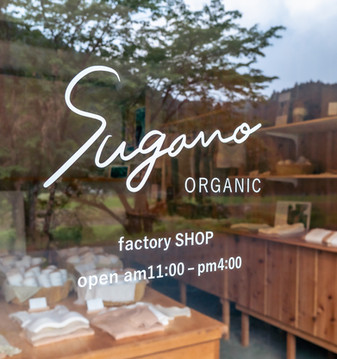
On the banks of the Sugeno River in the mountain village of Mitsue, a family-run workshop has been sewing textiles for over half a century. Once a maker of mats and simple cloth goods, the factory was forced to change course when imported textiles from Southeast Asia began to dominate the market. Instead of closing down, Sugano pivoted, using the skills and discipline of traditional Japanese sewing to carve out a new path.

The result is Sugano Organic, a brand committed to undergarments and loungewear made from 100% certified organic cotton. No pesticides, synthetic fertilizers, or chemical treatments are used in their production. The concept is clear: daily essentials should be safe for the body and kind to the environment.


The shop itself reflects this outlook. The owner personally designed and renovated the store over six months, creating a space that matches the understated refinement of the products. While the main factory shop is in Mitsue, the brand frequently appears at department stores, bazaars, and events across the Kansai region.
International Reach
Sugano Organic’s reputation has quietly extended beyond Japan. In 2024, they participated in a POP-UP event at Kitte Marunouchi Kichijoji PARCO, a venue known for showcasing brands with international appeal, where their full product line was introduced alongside information in both Japanese and English. Several European buyers attended and featured the brand in web magazines and ethical concept boutiques.




In addition, the brand has attracted attention from sustainable lifestyle platforms and interior stores catering to a worldwide clientele. Currently, Sugano's online store is available to domesic customers only, but its products are now available to international customers via select global e-commerce partners. Their official EC site has become central to their growth, and a worldwide online store is in the pipeline.


Requests for collaboration have come from ethical fashion fairs and exhibitions abroad, resulting in trial supply arrangements for select European retailers. Professionals and enthusiasts alike—from textile researchers to sustainable fashion journalists—visit the Mitsue workshop, drawn by the transparency of Sugano’s production practices and the tactile appeal of the garments. As such, the brand’s quiet international growth continues through direct relationships, careful retail partnerships, and a reputation that grows primarily by word of mouth.
Product Line Examples
Lace Bra: A basic sports bra detailed with organic cotton lace, finished with a feminine touch. Its V-neck shape makes it suitable under low-cut tops. Designed to hold without constriction, it is soft, breathable, and gentle on the skin.
Babywear: Made from fabrics that minimize irritation, this line focuses on comfort for sensitive infant skin. All garments use organic cotton with high moisture absorption and breathability.
Tank Tops: One size that expands to accommodate a range of sizes, these tank tops are versatile across all seasons thanks to their balance of insulation, moisture control, and airflow.


New Sleepwear
In March 2025, Sugano introduced a line of sleepwear under the theme “Healthy even while you sleep.” The collection is made from FOX FIBRE (Fox Fibre), a strain of organic cotton grown in New Mexico. The fabric absorbs moisture, retains warmth, and stretches naturally without losing shape. Each piece avoids unnecessary seams and decorations, favoring smooth finishes that reduce stress on the body during rest.
Design: Simple crew neck tops and relaxed-fit bottoms. No tags, collars, or buttons to irritate the skin.
Material: 100% unbleached, undyed organic cotton in natural off-white and brown hues.
Fit: Unisex S and M sizes. Both tops and bottoms can be matched freely.


The sleepwear borrows techniques from the brand’s baby line, using double-layer waistbands that neither pinch nor slip. Fabric is tubular-knit, so there are no side seams pressing against the body during sleep. Waistbands can be adjusted or replaced, ensuring durability over long use. Even the rise of the bottoms is measured for practicality, reaching well above the navel to keep the abdomen and lower back warm in cold months. It is clothing made to serve the rhythms of daily rest.
Brand Philosophy
よけいなものはいらない。毎日肌に触れるものだからこそ、からだが喜ぶ肌着を届けたい
Nothing unnecessary.
Because these are items that touch the body every day, they must be made to bring comfort.
Sugano stays true to this principle. In a quiet mountain village, it continues to produce garments that are honest in purpose: kind to people, respectful to nature, and enduring in quality.
Access:
Address: 2696 Sugano, Mitsue, Uda District, Nara 633-1302
Tel: 0745-95-2175
Hours: 11:00 - 16:00
Closed:
Parking: Free (2 spaces)
Hangesho - Lizard’s Tail Garden of Okada Valley
岡田の谷の半夏生園
Hangesho, or Japanese lizard's tail, is a perennial plant in the lizard’s tail family that flourishes quietly along the water’s edge. In Nara, it is one of the seasonal markers of early summer. The name “Hangesho” comes from the traditional calendar, referring to the eleventh day after the summer solstice, when the plant typically comes into bloom.

Reaching about 60 centimeters in height, Hangesho is best known for a unique transformation that occurs in July. The upper part of its leaves turns white, while the lower remains green, creating the impression of a white veil spread across the cluster. This striking surface change has also given it another name: Katashirogusa (literally, “half-white grass”).


Within Nara Prefecture, Hangesho is officially designated as a Rare Species and its natural habitats continue to decline. The most notable colony in Nara Prefecture grows in Okada-no-tani in Mitsue Village, where around 3,000 square meters of hillside are covered in dense clusters. Seen at their peak from early to mid July, the plants appear like a living white-and-green carpet spread across the forest floor.

The Hangesho-en (Hangesho Garden) that protects this colony exists thanks to the generosity of the local landowner, who allows the area to be enjoyed by visitors. It is not a developed tourist site but a natural preservation space. Visitors enter through a simple gate on a forest path; the gate must be opened and closed carefully to keep the space undisturbed. The site is quiet, save for frogs and lizards that share the habitat.

Signs guide visitors from the roadside to a parking area, and then through a little residential area. Local residents kindly ask visitors to respect private property and take their rubbish home.
Access:
Address: Kozue, Mitsue, Uda District, Nara 633-1301
Hours: 24 hours
Isehonkaido Station Michi-no-Eki
The roadside station stands at the intersection of Routes 369 and 368 along the Ise Honkaido. It consists of a large onsen facility called Mitsue Onsen Himeshi-no-Yu Hot Spring, a self-service dining area called Uguisu and Kaido Ichiba Mitsue, a farmer's market providing freshly harvested produce and local foods each morning.

For those arriving via public transport, buses from Kintetsu’s Nabari Station take roughly fifty-five minutes and there is parking for ninety vehicles available without charge.
Access:
Mitsue Onsen Himeshi-No-Yu
Himeshi-no-Yu takes its name from Himeishi Shrine, where Yamatohime-no-Mikoto is said to have prayed for recovery from illness. The hot spring is known for its simple, neutral waters that warm the body deeply and are valued for easing fatigue, joint pain, and the slow stiffness of everyday life.

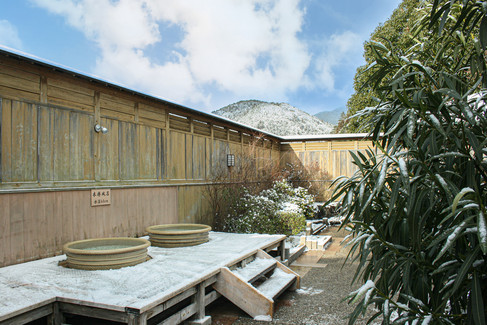
The facility offers two contrasting main baths—one finished in wood, the other in stone—that alternate daily between men and women. There are outdoor baths, a sauna, and a range of smaller pools, including seated baths, tub baths, bubble baths, and cascade baths. For families with small children or those needing special care, private rental baths with indoor and open-air options are available.




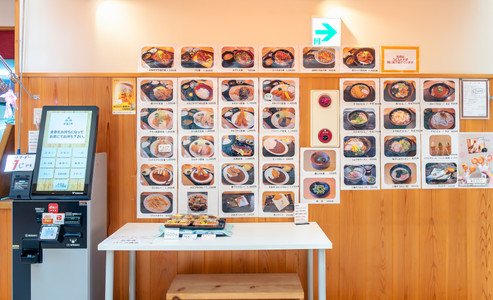
After bathing, guests can rest in an expansive tatami hall with space for eighty mats or enjoy a meal at the serf-service Uguisu. Here they offers lighter dishes and local items such as venison katsu curry (¥1,600), Kitsu-ne udon/soba (¥800 yen), Seafood tempura bowl (¥980), and Mitsue’s churros (¥550 yen). You buy a ticket for your meal at the vending machine. There is no English interface, but there are pictures of the menu around it and the large touch screen makes it easy to use a translation app to pick your meal. Hand the ticket over to the kitchen staff and wait for your number to appear on the order monitors.




The amenities are practical and straightforward: free soaps and shampoos, towels and small items for purchase, Wi-Fi, and card payment. Prices are modest, with discounted admission on certain weekdays and group rates for larger parties. Regular events, such as “Bath Day” on the 26th of each month, keep the facility connected to the area it serves. For travelers coming through the hills of eastern Nara, it offers a reliable place to pause, soak, and continue on.

Address: 6330 Kozue, Mitsue-mura, Uda District, Nara 633-1301
Tel: 0745-95-2641
Hours: 11:00 - 20:00 (Last Entry 19:30)
Closed: Tuesday (Open if Tues is a Nat. Hol and closed the following Thursday) & New Year's Day
Bath Facilities:
Main baths (wood and stone, alternating), open-air baths, sauna, cascade, tub, bubble and seated baths. Free shampoo and soap provided; towels for rent or purchase. Locker and accessible facilities available.
Admission:
Adults: 900 yen
Children: (ages 3 through elementary school): 400 yen
Under 3: Free
Family bath: 3,300 yen per hour (by reservation, up to 5 people)
Accessible bath: 2,600 yen per hour (by reservation, up to 5 people).
Parking: Free (90 spaces)
Kaido Ichiba Mitsue
Kaido Ichiba Mitsue serves as the farmers’ market within the roadside station. Local farmers deliver fresh produce daily, and visitors can find an array of seasonal vegetables alongside specialty products made in the village. The market also carries preserved foods, sweets, souvenirs and traditional condiments, forming a practical point of connection between Mitsue’s agricultural community and travelers passing through. The selection extends beyond food: woodcrafts and small housewares, crafted from local cypress and cedar, are often available.


What are Michi-no Eki?
Michi-no-Eki are government designated rest areas in Japan that go beyond typical highway stops, serving as hubs for road users to rest, find tourist info, and experience local culture through regional products, food, and crafts, fostering community development and unique travel experiences. Michi-no-Eki, or Roadside Stations, emerged to meet the rise in long-distance driving and the increase of women and seniors on the roads—offering safe, free pauses along ordinary roads that also contribute to regional revitalization and development.


Address: 6330 Kozue, Mitsue-mura, Uda District, Nara 633-1301
Tel: 0745-95-2641
Hours: 10:00 - 17:00
Closed: Tuesday (Open if Tues is a Nat. Hol and closed the following day Thursday ) & Jan. 1st
*Prices are accurate as of Spring 2026, but subject to change without notice.
Dondon Bakery & Eatery
Dondon Bakery, officially named "Yakitate Pan Oshokujidokoro Dondon," is located directly across from the Isehonkaido Michi-no-Eki roadside station. The establishment functions both as a local bakery and a casual restaurant, with the added role of being part of a community welfare initiative providing employment opportunities for adults with various disabilities and support needs.

Inside, shelves of fresh bread greet visitors near the entrance, while a dining area with tables and counter seating lies beyond. The menu is straightforward, offering morning toast sets with coffee, a variety of lunch dishes such as curries, pasta, and set meals, as well as lighter items like noodles, takoyaki, and shaved ice. Prices are modest, and portions are intentionally simple. The bread, including curry bread, cream bread, and filled rolls, is unpretentious but made with care, typically selling out by midday.


Lunch options range from dishes like tempura udon and braised pork rice bowls to zenzai azuki bean soup and fried egg morning sets. At such jaw-dropping low prices, you can't help but leave satisfies. Coffee and discounted bread sets can be added to meals, making the combination a popular choice. On weekends and holidays, the takoyaki stand outside attracts locals and drivers alike, known for being inexpensive and served piping hot with generous pieces of octopus.


While not a destination restaurant, Dondon Bakery reflects its rural setting well. It serves as a convenient stop for travelers passing through the eastern edge of Nara Prefecture, and a gathering point for locals buying their daily bread. Modest, handmade, affordable food in a straightforward setting, balancing the role of a bakery, a diner, and a community hub in the Village.
Access:
Address: 4118-3 Kozue, Mitsue, Uda District, Nara 633-1301
Tel: 059-273-0022
Hours: 9:00 - 15:00
Closed: Monday
Mitsue Highland Ranch
みつえ高原牧場
Mitsue Highland Farm, also known as Mitsue Ranch, is not a tourist attraction in the strict sense. It is first and foremost a working cattle farm, managed under the oversight of the Nara Prefecture Livestock Technology Center. While they do welcome visitors under certain circumstances, international travelers should be aware of animal quarantine regulations in Japan, which forbids access to farms, ranches, and livestock facilities.

Sitting at approximately 700 meters above sea level in the Yamato Kogen highlands covers 65.5 hectares, of which 36 are open pasture. Here, herds of Japanese Black cattle roam and graze in a setting characterized by clean air and wide horizons. The landscape changes with the seasons: summer evenings bring respite from the heat, autumn brings crisp skies, and throughout the year, the open expanse offers a kind of rural clarity that contrasts with Nara’s historic temple towns.

Though its work is agricultural, Mitsue Highland Farm occupies a place in local leisure. It is known among cyclists and touring motorcyclists as a rest stop on scenic routes. Families and small groups come to enjoy simple walks and enjoy watching the cattle from a safe distance. Nature enthusiasts know the farm as a vantage point for stargazing, with some rating it among the most striking night skies in the Kansai region. Amateur astronomers and astrophotographers often stop here, setting up telescopes and cameras in one of the free spaces available within the grounds.
Unlike commercial tourist farms, Mitsue Highland Farm does not offer entertainment-oriented attractions or large-scale visitor facilities. It has no permanent parking lot; most who stop here park along the broad roadside. Instead, the appeal comes from its natural openness and its role as a working farm that incidentally invites moments of leisure. Visitors may walk along designated paths around the pasture space, sit in a simple shelter, or quietly observe the livestock, the mountains, and the night sky.

Yamato Beef
With a heritage dating back 700 years as one of Japan’s premier cattle-breeding regions, Nara's Yamato Beef is a high-quality Japanese Black Wagyu produced under rigorous management standards. Nurtured by the prefecture’s unique climate and history, these cattle are raised on a meticulously selected diet to ensure a product that is exceptionally rich in oleic acid.

This beneficial unsaturated fatty acid not only provides a signature melt-in-the-mouth texture and deep, savory flavor but is also noted for its health-promoting properties. The result is a safe, exquisite Wagyu that perfectly captures the essence of Nara’s natural environment and agricultural expertise.

Important Note: Under the Act on Domestic Animal Infectious Diseases Control, the Standards of Rearing Hygiene Management Guidelines specify strict rules that livestock farmers must follow. These include a clause stating that persons who have entered Japan from abroad within the past week must not enter hygiene management areas. As this is a working production facility and not a tourist farm, visitors are strictly prohibited from approaching or touching the cattle to ensure animal health and biosecurity
Visitors are not allowed to approach or touch the cattle.
Access:
Address: 1775-5 Sugano, Mitsue, Uda District, Nara 633-1302, Japan
Tel: 0745-95-6660
Hours: (Reception) 9:00 - 17:00
Closed: Weekends & Nat. Hols
Mt. Miune
三峰山
Mount Miune, rising to 1,235 meters, stands in the southeastern corner of Nara Prefecture within the Muro-Akame-Aoyama Quasi-National Park. It is recognized by the Japanese Alpine Club as one of Japan’s 300 Famous Mountains.

The mountain is accessible year-round, but in winter it becomes the stage for a rare sight: the muhyo phenomenon, when wind-driven water vapor freezes on tree branches, forming lace-like rime ice. This phenomenon, fleeting and dependent on precise weather conditions, is most often seen between January and February. In the morning the mountain glistens white; by afternoon, the ice has usually fallen away. The climb should therefore be timed early in the day.
Seasonal Transitions
Each season draws a different profile on Miune’s slopes. In early summer, azaleas bloom across the ridges, while autumn colors fill the valleys in October and November. Mid-winter presents a different landscape, with crystalline forms covering the branches, giving the upper trails their characteristic brilliance.


The Rime Ice Festival
From mid-January to mid-February, (weather depending) the Mitsue Tourism Association hosts the Mt. Miune Rime Ice Festival. On weekends and national holidays, visitors gather at the Mitsue Youth Travel Village near the trailhead. The festival includes small food stalls, demonstrations, and community activities before or after the hike.


A special shuttle service, the Muhyo-go, connects Kintetsu Haibara Station to the Mitsue Youth Travel Village. The bus departs at 7:45 and returns at 16:00. The journey takes 70 minutes and costs ¥1,600 for adults and ¥800 for children each way. Parking is available on site for those traveling by car, though winter tires are essential.
Hiking
The standard route takes four to five hours round trip, with an ascent of about two hours. The descent is made easier by wide and well-marked trails. Beginners, including families and older hikers, make the climb each season. However, full winter preparation is expected: waterproof boots, crampons (even light ones), cold-weather layers, gloves, and rain gear. The cold is rarely forgiving, yet hikers often bring warm food or instant noodles for a simple mountain meal.


Facilities and Access
Trailhead: Mitsue Youth Travel Village, 1790 Kozue, Mitsue Village, Uda-gun, Nara Prefecture
Toilets: Available at the trailhead and sparingly along the lower trails
Support: Hot drinks and snacks are sold during the festival weekends
Nearby hot spring: Himeshi-no-yu, located at Road Station Ise-Honkaidō Mitsue; shuttle service and discounts available on festival days
Local Advice
The best chances of seeing the rime ice are in Janauary and February, when the mountain tends to herald the coldest mornings. Hikers are advised to reach the trailhead no later than 10:00 to enjoy the sight before the ice melts away. For those staying overnight, Loghouse Horanomori offers simple wooden cabins and is known for its familiar ties to the mountain. The host, a long-time guide with over a hundred ascents, shares stories and route knowledge with visitors. Another great option is Omoya Guest House, a traditional Japanese folk house which also offers the best of the village's local cuisine.

Live Updates
Current conditions on Mount Miune can be checked via the live camera feed provided by Mitsue Village.
Firefly Spotting
Several locations in Mitsue Village, Nara Prefecture, offer opportunities to observe fireflies in June, but the most popular destination is Maruyama Park. The park occupies a gentle rise above the village, notable in spring for its wild mountain cherry trees—over one hundred in number, some surpassing a century in age. By mid-April, their blossoms create a striking landscape. As autumn settles in, the slopes transform again, with the foliage showing clear color shifts across the hillsides.


Firefly viewing is a highlight during the rainy season. In June, families arrive at dusk in various parts of the village to watch fireflies appear along the edge of rivers and streams, the clean waters also sustain species such as trout and sweetfish. Maruyama Park provides the most convenient access, with no admission fee and available parking. For those wishing to explore further, walking trails lead away from the main area to quieter observation spots.




The best time to see fireflies runs from early to late June, though their numbers depend on weather and rainfall conditions each year.
The local tourism board have compiled a simple map detaililng the best places to see the fireflies. Download that and other Mitsue village materials here.

Access:
Address: 3599 Kozue, Mitsue, Uda District, Nara 633-1301
Hours: 24 hrs
Star Gazing
Mitsue Village is known for its clear air and wide night sky - a setting that appeals to both casual stargazers and serious astrophotographers. The outskirts of the village are largely unlit, ensuring that even in winter, hundreds of stars and bright constellations such as Orion are plainly visible. During summer, observers often gather to see the Milky Way stretching across open fields, while the seasonal clarity enhances night-time views of nebulae, star clusters, and passing meteors. Mitsue Highland Farm serves as an informal focal point for these activities, its broad pastures allowing clear lines of sight in most directions and making it a quietly renowned photographic spot.

In early summer, the village holds a firefly festival. The contents change yearly, but a recent variation was "Fireflies and Stars Night Walk." These events draw a mixture of locals and guests: participants venture out after sunset to watch fireflies before joining nighttime walks beneath lanterns and the open sky. Activities often incorporate local food and the option to visit hot springs in the village, lending the experience a communal and relaxed atmosphere. Mitsue Village’s approach favors small-scale, nature-based gatherings over scripted tours, allowing stargazing to remain integrated with daily life and local tradition. Keep an eye on their socials for details. Links are at the bottom of the page.

Omoya Guest House
Omoya Guest House (おもや古民家) is situated in Mitsue Village in the verdant east Uda or Yamato Kogen region. The main structure is over 200 years old, and included is an outdoor wood oven for pizza, baked foods, or whatever you fancy. Mitsue Village is known for is clearly starry night skies, summer fireflies and the magical "muhyo" phenomenon – the formation of rime ice on tree branches in the mountains and Omoya is a great base to enjoy all of these attractions.

Bookings are per single group, accommodating up to 8 people in two tatami rooms. Breakfast can be ordered in, but the stay is largely self-catering. Linen is provided, but you should bring your own bath towels. You can make a reservation via email or webform (English okay).


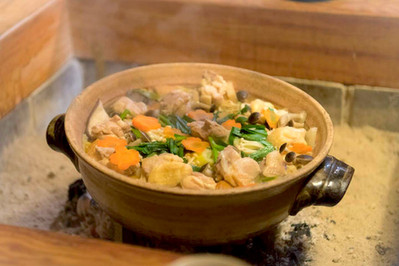



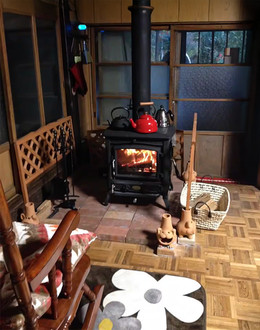


The house is located on the old Ise Honkaido road on which people traveled to visit Ise Jingu Shrine in Mie prefecture. You can enjoy hiking to Mt. Miune and Mt. Kuroso, and Soni Village is only 7 km away. Access is about 30 minutes from Kintetsu Haibara or Nabari Station. If visiting in the winter by car, change to winter tyres or at least bring tyre chains.
Access:
Address: 2415 Sugano, Mitsue Village, Uda-gun, Nara
Tel: 0745-95-2675
Mitsue Shrine
御杖神社
Mitsue Shrine stands quietly in the wooded heart of the village along the Nabari River, not far from the old Ise pilgrimage route, its origins lost to history but rooted in legend.

During the reign of Emperor Suinin, Yamatohime-no-Mikoto traveled in search of suitable ground to enshrine Amaterasu, the imperial deity. When she passed through this region on her journey to Ise, she is said to have left behind her staff - a “Mitsue” or sacred marker, signifying promise and protection. The village and the shrine both derive their names from this act, and the staff itself is still enshrined here to this day as a symbol of her passage.




The principal kami of Mitsue Shrine is Kunado-no-Kami, a guardian of travelers and boundaries; together with Yachimata-Hiko-no-Kami and Yachimata-Hime-no-Kami, deities said to ward off misfortune. These protective figures reflect the shrine’s traditional role at the border between Yamato and Ise, where rituals to safeguard against calamity were once regularly performed. Mitsue Shrine thus retains a practical heritage, interwoven with old beliefs and the needs of a rural crossroads.

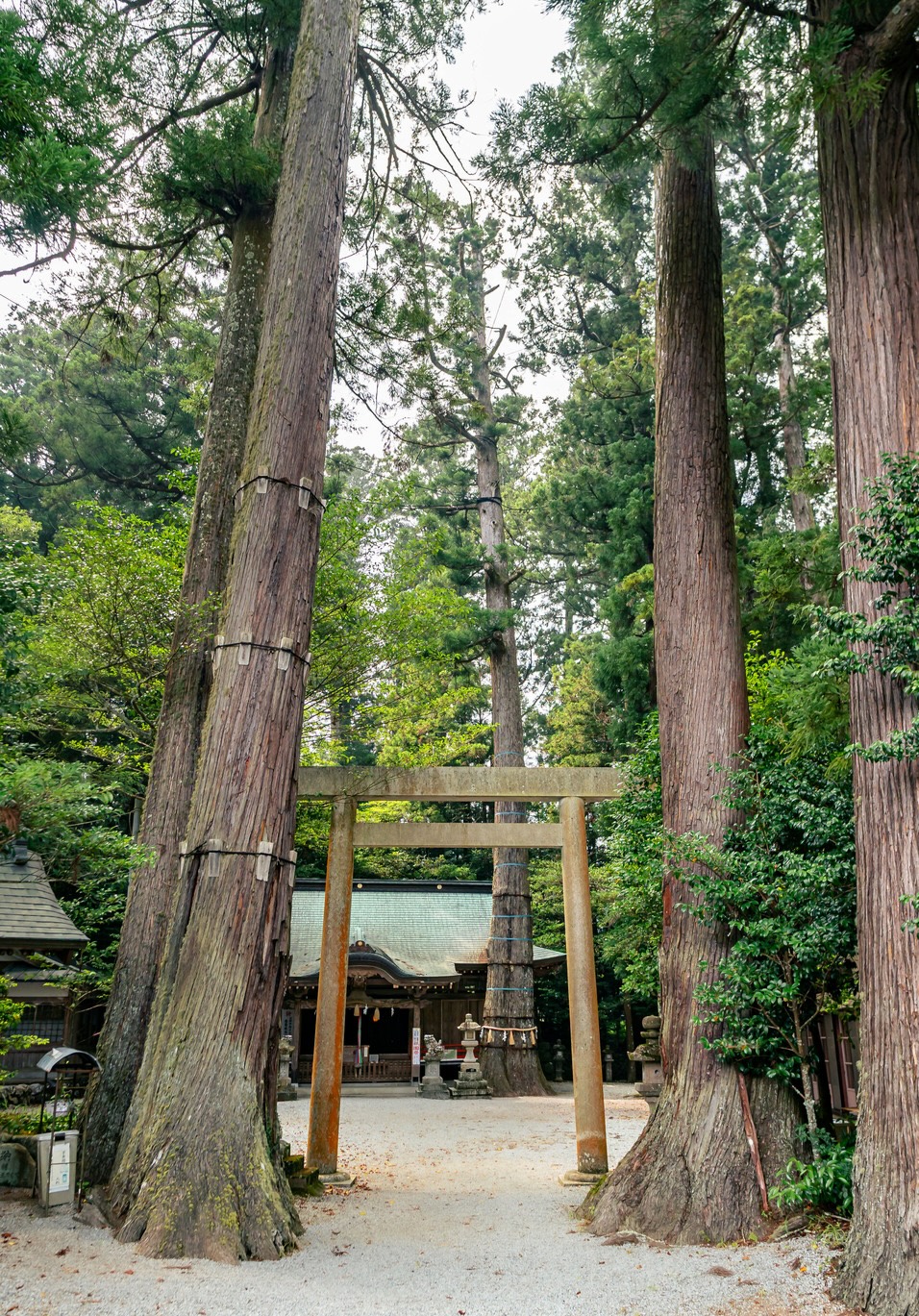


Architecturally, the main sanctuary is built in the shinmei-zukuri style—plain, dignified, and echoing the earliest Shinto forms—while the oratory in front features a traditional irimoya roof. On either side stand two “Kami Tsue Sugi” cedar trees, said to be over six centuries old, regarded locally as sacred and quietly impressive.


Each November, Mitsue Shrine hosts its autumn festival in observance of the harvest. Children play taiko drums atop the portable shrine as it moves steadily around the local area, accompanied by measured shouts and an infectious communal spirit. It's a scene that can be witnessed all throughout the country - it is neither grand nor performative, but well observed and speaks to the continued practice to communal cooperation and celebration with local shrines playing a pivotal role.

There is a small parking area and basic amenities for visitors, though the grounds remain mostly serene. the shrine does not attract crowds or make claims to fame, but for those interested in the history of Yamato, Ise, and Shinto’s roots in legend and local practice, it is a site of understated heritage and quiet continuity.
Access:
Address: 1020 Kozue, Mitsue, Uda District, Nara 633-1301
Tel: 0745-95-2070 (Mitsue Village Tourism Association)
Hours: 24hrs
Mitsue Youth Travel Village
At the base of Mt. Miune, Mitsue Youth Travel Village sprawls across slopes and glades in rural Nara, a family-friendly camping ground that feels like an unplugged secret. Despite its popularity, there’s room to breathe. Room to explore.

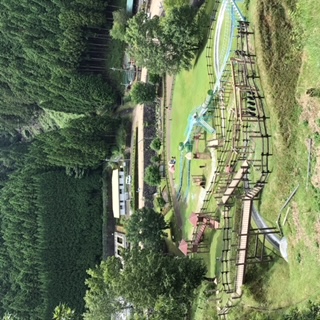
Here you can sleep under the stars on the auto sites (room for tent, tarp, and car), settle into a cozy bungalow with its own outdoor kitchen, or go for the day with a reserved picnic site with several barbecue options. There’s a field athletic course carved into the hillside, its centerpiece a 140-meter jumbo roller-slide that stretches down the mountain, thrilling in its scale. Perched above that is the bobsleigh — a favorite. When the weather’s fair, the course runs on weekends and holidays, its start marked by shrieks and laughter as riders dash down the 240 meters.

In summer children are permitted to play in the stream that cuts the grounds. The river is shallow, playground-safe, and fitted with a small slide, just for kicks. Fish for amago trout, rainbow trout, or char in the stocked pond. Rentals are easy; catch five, pay extra for every fish beyond that. Try amago “catch-and-grab,” the area’s take on hands-on fishing. Depending on your plan, whatever you catch, you cook—grilled then enjoyed under shaded benches.







Here’s what you need to know:
Booking is essential. No walk-ins. Reserve via the official website.
All activities require reservations—even if you only want the athletic course or river play.
The grounds can host up to 171 guests, with 21 auto sites and 11 bungalows.
Day-use barbecue sites seat up to 8. Bring your own gear or reserve covered areas.
Facilities include restrooms (accessible), showers (sometimes off-limits), vending machines, limited Wi-Fi, and a small shop.
Prohibited: pets, open fires, fireworks, drone flights, ball games in camping areas.
Fees and cancellation terms vary by group size and booking date; details are on the site.
High season? Read the fine print. Strict rules apply.
Rates (seasonal): auto site from ¥5,500/night, bungalow from ¥11,000/night, day barbecue site from ¥6,500. Individual activity fees apply—bobsleigh ¥300/adult, field athletics and slides free with reservation.
Rentals: cooking gear available—no bedding at present.
Card payment for lodging and BBQ sites; cash for picnic and gear-only BBQ sites.

A few more details. The riverside is especially safe for young children. The closest hot spring, Mitsue Onsen Himeishi-no-Yu, is just a ten-minute drive and pairs well with locally grown veggies from the roadside market—stock up for dinner or indulge after a day outdoors. During hot summers, fishing and “grab-an-amago” events may end early due to weather.
Check-in starts at noon, check-out at 10:00am for campers; day visitors run 10:00–16:00. Tuesdays are generally closed, and peak-season rules are stricter. Should you want to linger after checkout, you’ll need to book a day use site. The village itself is open year-round.

Mitsue Youth Travel Village isn’t just for kids, though most of its thrills are sized for them. It's a great natural retreat that offers visitors the chance to unplug from daily live and reconnect with nature in a fun-filled environment. The site can be accessed from either Nara city, Osaka or Nagoya in just 60 to 90 minutes.
Access:
Address: 1790 Kozue, Mitsue-mura, Uda-gun, Nara Prefecture
Tel: 0745-95-3088
Hours:
Day trips: 10:00–16:00
Lodging: Check-in 12:00, Check-out 10:00
Shop: 9:15–17:00 (Peak season: Until 19:00)
Closed: Tuesdays & New Year's holiday
Open weekends from December to March (subject to change)
Parking: Free (75 spaces)
Booking: Advance reservation required for all sites and activities, online only
Here is the official Mitsue Village pamphlet
INDEX:
Thank you for reading Things To Do In Mitsue Village
Check out some other of our articles


Things To Do In Mitsue Village
Author: NARA Visitor Center & Inn


Comments