
Eki Stamps in Nara - A Local Guide to Japan's Quiet Obsession
- NARA Visitor Center & Inn
- Dec 18, 2025
- 7 min read
Updated: Dec 19, 2025
They're easy to miss—a simple rubber stamp resting on a counter or singular stand near the station ticket gates. ‘Eki’ stamps need no fanfare, no English explanation, just a quiet invitation to anyone curious enough to notice. Most travelers rush past, focused on catching the next train or exiting to their destination. But, the best memories happen when we slow down, and take time to forge those unforgettable moments. Japanese station stamps are free to use and strangely addictive once you press your first one onto paper. Their detailed and specific designs will add an unassuming value to your collection of travel memorabilia. Find out what exactly ‘eki’ stamps are, creative ideas on how to use them, and other stamping you can do around Nara City and beyond.

Why Station ‘Eki’ Stamps are Super Cool
Enjoy a free and fun travel hobby.
Create a personalized travel memoir.
Take part in an authentic Japanese culture.
Explore local areas connected to stamps.
Engage your kids in a great travel activity.
The idea of the ‘station stamp’ was originally thought up by a station master in Fukui City in 1931. Since then, these intricately designed commemorative stamps have become a staple of Japanese railway culture. Stamps can include train designs, local landmarks, historic buildings, anime characters, animals and seasonal motifs.

Courtesy of Annabel Apse
Apart from anything else, it’s a low-key and fun activity that anyone, young and old, can enjoy. Some people do get more serious about it and may stop off at local stations along their journey to add to their collection, while discovering more unique and local attractions they may have otherwise missed.

Eki stamps have even been featured by National Geographic magazine, and some rail companies, especially JR East, run annual stamp rallies where competitors can win prizes. Eki stamps, however, don’t stop there. Many other locations now also feature their own special commemorative stamps, such as tourist information centers, temples, museums and various other community venues.
Where Exactly Can I Find Eki Stamps?
Most ‘eki’ stamps can be found outside station ticket gates, but away from ticket vending machines and other congested areas. Stamping machines are often located near to the information office. In some cases, the stamp stands are inside the station, so you will need to check around before leaving or catching your train.

Courtesy of Maris Markus
Now that you’re hooked on the idea of ‘eki stamps’ there may be a few more questions you need answering.
Do all stations in Japan have ‘eki stamps’? — Major stations and many local stations have eki stamps, especially on the JR network. There’s a trend, however, towards digital stamps collected on apps.
Should I buy a ticket if I want a stamp? — Stamps are always free to use and most are located outside the wicked gate. In congested locations, like some subways, they may be located in a quiet corner inside the station.
What should I stamp on; do I need a notebook? — Generally, you need your own notebook, but some locations may have paper sheets.
What if the ink is dried out? — Go to the ticket information window and say, “Sumimasen, eki stampu no inku ga chotto usui mitai desu. Hoju o shite itadakimasen ka?”
Can I stamp more than one time? - Stamping a couple of items, or several, is okay, but stay within reason and be observant if other stampers are waiting.
Creative Ways to Enjoy Stamping in Japan
‘What can I stamp on?’ The short answer is you can stamp anything you want. Just don’t inconvenience others, dirty, or damage the rubber stamps. Since eki stamping is a fairly popular hobby, you can buy ‘eki’ stamp books in major bookstores and even online from places like Amazon. Stamp books are usually passport-sized and take one or more stamps per page with a place to write the date and make some notes.
This amazing example comes from Maris Markus. See more of Maris's travel journal here.



However, you can buy your own scrap book or binder and decorate it by adding other content, much like scrap booking. Japanese stationery stores are great places for all sorts of books, stickers, origami paper and more. You can also use the stamps to add more authenticity to a simple travel journal.

Another option is ‘goshuin’ books that you can buy at most temples. Typically used for receiving handcrafted calligraphy signatures and stamps from shrines or temples, these more decorative books have stronger paper and often open up in concertina fashion.
Eki stamps, especially as a creative scrap booking activity, can be an awesome way to keep young children more enthused about visiting typical tourist spots.
The Definitive Guide to Kinen and Eki Stamps in Nara
Although ‘eki’ stamps fall into a category of their own, many other locations also have their own commemorative stamps known in Japanese as ‘kinen sutanpu’. The word ‘kinen’ means more or less a ‘keepsake’ or some kind of memorabilia. Here are places in Nara City where you can get ‘eki’ stamps and other stamp-related keepsakes or similar memorabilia:
Eki Stamps and Tourist Info Centers :
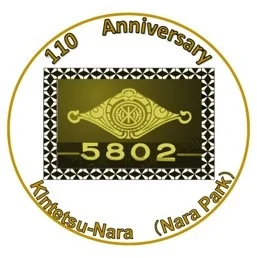
If it’s only ‘eki’ stamps you’re after, then make use to take the JR train into Nara City. Unfortunately, Kintetsu-Nara station no longer has a ‘hard’ stamp. Instead, you can get a digital stamp by participating in the Ekitag app.
JR Nara Station — the stamp stand is inside the ticket gate, so don’t rush straight out. You can get a ‘platform only ticket’ if you’re not catching a train.
Nara City Tourist Information Center — next to JR Nara Station, you can grab a stamp while loading up on tourist information.
Kintetsu Nara Station — the location for downloading the digital stamp is outside the east exit on the round pillar near the automatic ticket gate.
Kintetsu Nara Tourist Information Center — has a stamp thematically connected to the Kintetsu rail network and the surrounding area.









Stamps On the Way to Nara Park and Kasuga Shrine:
There are numerous commemorative stamps to collect on your way to Nara Park by first visiting Isui-en Garden on the left-hand side of Omiya Dori road, and then stopping by other locations along the way:
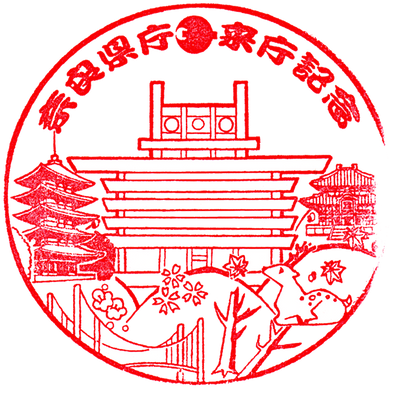
Nara Prefectural Government Office — just before the Nara Park Bus Terminal, you can scoop up a rare civic or administrative stamp.


Nara Park Bus Terminal — here you can pick up several different stamp varieties. It is a convenient hub for travelers moving between attractions.


Nara Deer Support Club Office — enjoy various stamps celebrating Nara’s famous deer, learning about deer conservation, and support park activities. This volunteer center is inside the bus terminal building.


Isui-en Garden — the stamp stand here is in the non-ticketed area near the entrance, and it's a classy keepsake from Nara’s most illustrious garden.


Yumekaze Plaza Information Center — a local square with shopping, entertainment, and tourist information close to Todai-ji Temple.



Todai-ji Museum — has their own unique stamp and the stand is located in a non-ticketed area, to the left of the entrance in front of the restrooms.


Todai-ji Temple — in the main Daibutsuden or Main Hall, you can pick up a free stamp near the exit. Ornate, handwritten calligraphy seals cost between 300 and 600 yen, available from the service counter.


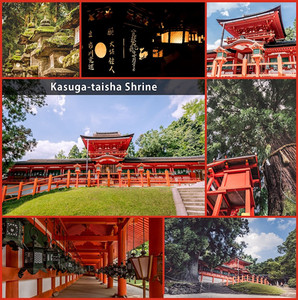
Kasuga-taisha Shrine — provides a free commemorative stamp in the non-ticketed area near the entrance to the main hall.



Nara Deer Preservation Foundation — has a stamp collection for you to remember Nara’s animals and admire the work done protecting them.


Around Nara National Museum and Nara Machi
Walking directly up the right-side of Omiya Dori towards Nara Park, you will soon come to the Nara National Museum. There is more stamping on the other side of the road, but if you head towards Sarusawa Pond and Kofuku-j Temple, you can find just as many stamps in Nara Machi old town.
Nara National Museum — Nara’s key location for viewing national treasures and Buddhist art also has a collection of free commemorative stamps.


Nara Hotel — Nara’s most historic hotel has a hotel-specific stamp with a classic atmosphere to add elegance to your stamp collection.


Nara Visitors Center and Inn — Our own original stamp has proved to be very popular. The design was a joint effort between all our staff.


Naramachi Nigiwai-no-Ie — this historic lattice house changes their stamp to the 24 solar terms. This is a treat for repeat visitors and a challenge for ‘getting them all’. Entry to this historic merchant house and the stamp is free.



Naramachi Karakuri Toy Museum — a popular venue in Nara’s historic old town, and their stamp reflects the playful character of its traditional toys.


Shika-no-fune “Mayu” — the Naramachi South Tourist Information Center’s own distinctive stamp adds a Naramachi-themed impression to your book.


Continue Your Stamp Collecting Around Nara Prefecture!
The Heijo Palace Site has several stamp varieties highlighting Nara’s ancient capital’s history. Visitors can explore the expansive ruins and museum buildings after or before ‘getting stamped’.

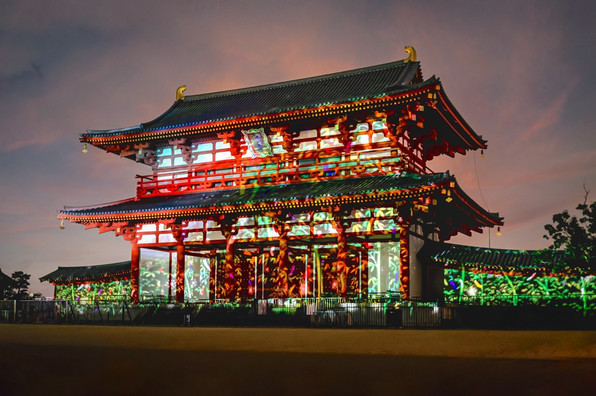


As you enjoy your travels around Nara Prefecture, you can continue collecting stamps from various locations such as museums, information centers, temples, shrines, and other popular tourist spots.
However, it should be noted that all Kintetsu train stations have now discontinued ‘hard stamps’ in favor of digital stamps via the Ekitag app. The app is only in Japanese, but it’s free to download, has convenient google map pins, and you can export stamps into your photo editor. If you’re a hard core ‘eki’ stamp collector, or just want to be old school, then explore Nara along its JR lines.


From Sacred Seals to Eki Stamps
The origins of collecting seals or stamps in Japan may date back some 800 years to Buddhist pilgrims who gathered stamps for sutras they offered at temples. These religious seals are known as shu-in or nokyo-in. In the 1930s, ink seals with handwritten calligraphy became known as go-shu-in and were collected in a concertina-like book called a go-shu-in-cho. This spiritual practice normalized the concept of collecting stamps as meaningful travel records.


The secular counterpart emerged in 1931 when stationmaster Kanichi Tominaga introduced the first eki stamp at Fukui Station featuring Eiheiji Temple. Kinen stamps, or commemorative stamps, share similar intricate designs showcasing traditional Japanese motifs such as flowers, animals, nature elements, and buildings. These stamps can be found at museums, tourist attractions, and cultural sites.
Here is a downloadable PDF of the stamps mentioned in this article

Here is a dedicated Google map of the places mentioned above.
If you’re looking for more fun activities in Nara, read about how to experience traditional kyudo and where to discover Street Fighter manhole covers in Kashihara City and all about Amazing Postboxes from around the country.


Author: NARA Visitor Center & Inn